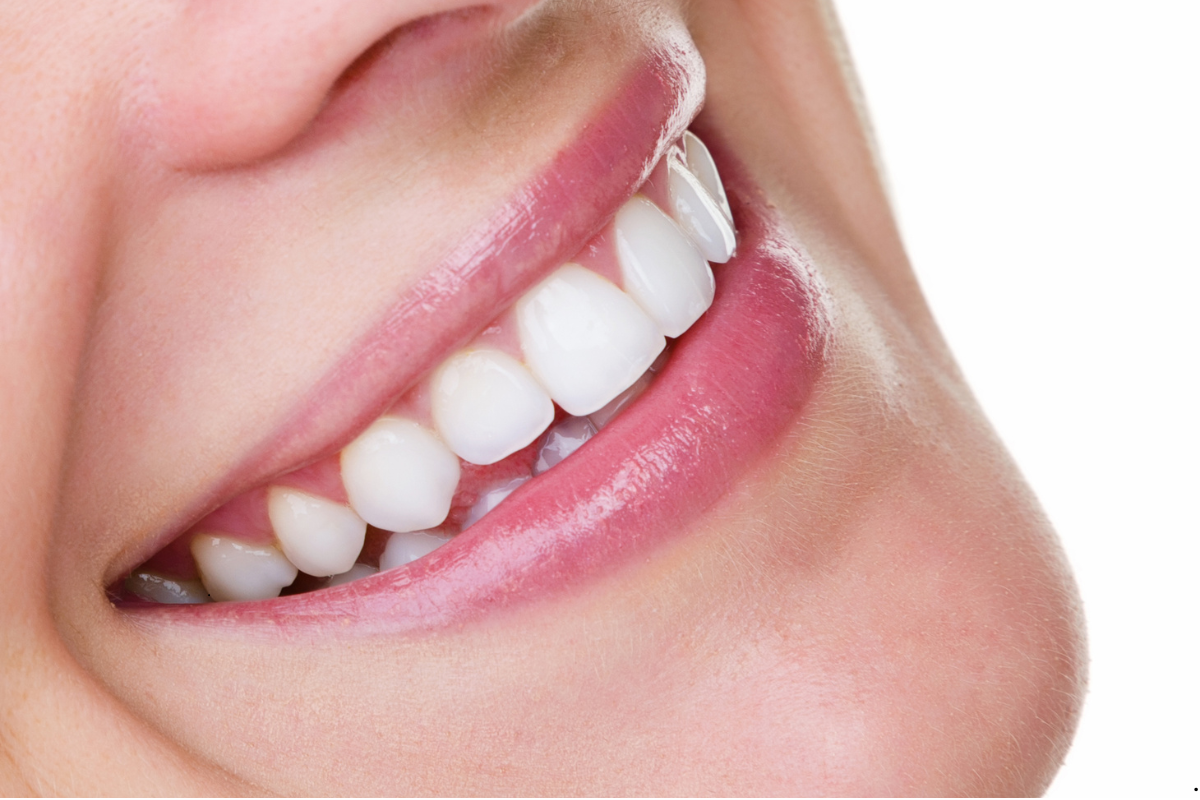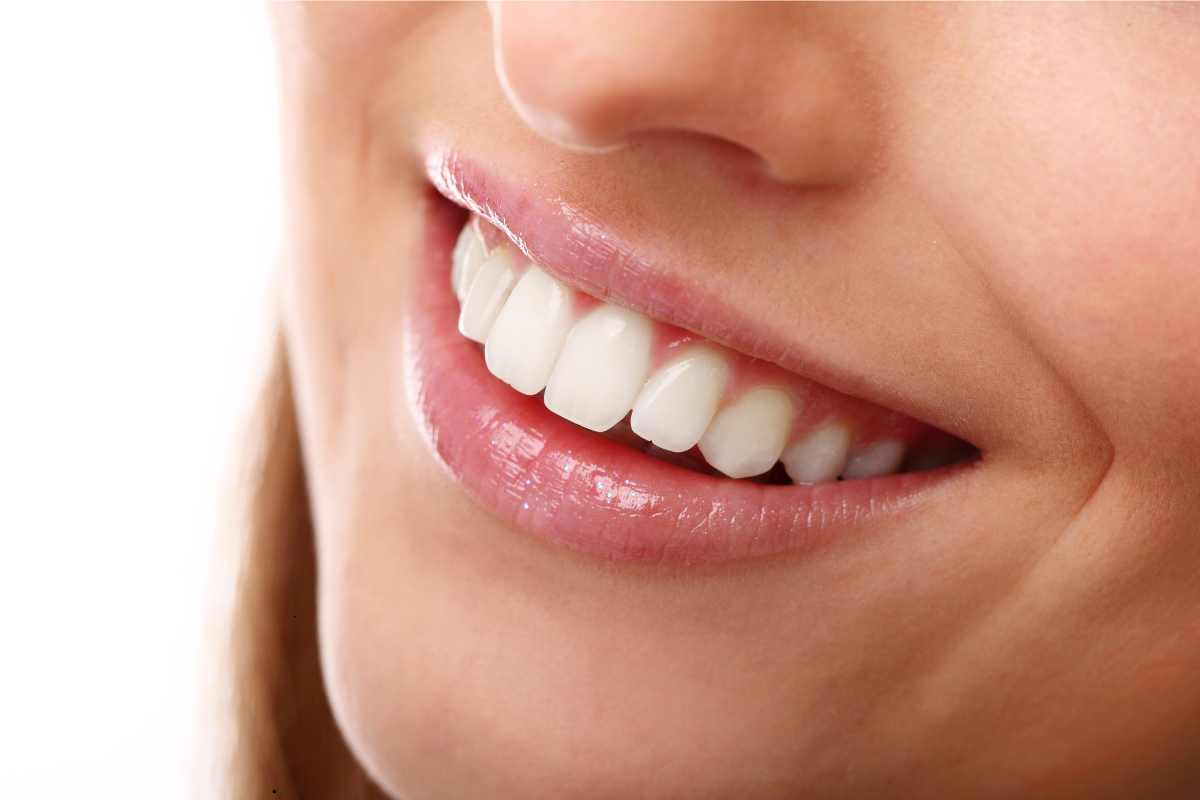
A brighter smile is one of the most requested cosmetic dental treatments, and for good reason. It’s one of the fastest, most visible improvements you can make. But for a significant portion of adults, teeth whitening comes with a frustrating side effect: sensitivity. That sharp, shooting pain when the bleach hits your enamel can turn an exciting treatment into something you’d rather skip altogether. The good news is that sensitivity during whitening is not inevitable. Working with a cosmetic dentist in Center Line who understands your individual enamel health opens the door to treatments that are effective without being brutal.
Why Does Whitening Cause Sensitivity in the First Place?
Most whitening products use hydrogen peroxide or carbamide peroxide as the active bleaching agent. These compounds penetrate the enamel and break apart the chromogens, the stain molecules, inside the tooth structure. The problem is that this same process can temporarily open up dentinal tubules, the tiny channels that lead to the nerve of the tooth. When those channels are exposed, hot, cold, or even air can trigger a sharp pain response.
People who already have thin enamel, existing gum recession, or naturally more porous teeth tend to feel this more acutely. It’s not a sign that whitening is damaging your teeth — but it is a signal to choose your whitening method carefully.
Low-Peroxide Options Worth Knowing About
1. Professional Take-Home Trays with Low-Concentration Gel
Custom-fitted trays made by your dentist hold a lower-concentration peroxide gel (typically 10–16% carbamide peroxide) against your teeth for extended periods — usually overnight. The slower, gentler release of the bleaching agent gives your enamel time to adjust, and the results are often comparable to in-office treatments done over a few weeks.
2. Potassium Nitrate-Infused Whitening Formulas
Many professional-grade whitening products now include potassium nitrate, an active ingredient that calms nerve activity inside the tooth. Used before or during a whitening regimen, it can significantly reduce mid-treatment sensitivity without compromising the final shade outcome.
3. Fluoride Pre-Treatment
Applying a prescription-strength fluoride gel before whitening strengthens enamel and helps plug those dentinal tubules before the bleach has a chance to reach them. Dr. Ami Schwarcz and Dr. Richard Schwarcz often incorporate this step for patients who report sensitivity during previous whitening attempts.
4. Spacing Out Sessions
One of the most underused strategies is simply slowing down. Instead of back-to-back whitening sessions, spacing them out by 48 to 72 hours gives your teeth time to remineralize between applications. You’ll still reach your target shade — it just takes a bit longer.
5. Desensitizing Toothpaste Preloading
Using a desensitizing toothpaste containing stannous fluoride or arginine for two weeks before starting your whitening treatment has been shown in clinical literature to meaningfully reduce post-whitening sensitivity. It’s a simple step that costs almost nothing.
What About Over-the-Counter Options?
Store-bought whitening strips and gels do work — but they’re formulated for a general population, not for your specific enamel condition. The concentrations may seem lower, but without custom-fitted trays, the gel can easily contact gum tissue, causing irritation. If you’re sensitive, over-the-counter products are often more trouble than they’re worth and deliver less predictable results.
Whitening in Center Line: What Local Patients Should Know
Here in Center Line and across Macomb County, seasonal coffee habits, sports drinks, and the occasional Coney Island addiction (no judgment) contribute to real staining over time. The good news is that surface staining from food and beverages tends to respond very well to whitening — even gentle, low-peroxide protocols. Intrinsic staining from medications or trauma may require a different approach, which is another reason a professional evaluation is worth having before you commit to any whitening product.
Quick Reference: Whitening Options for Sensitive Teeth
- Custom take-home trays with 10–16% carbamide peroxide
- Potassium nitrate-infused professional whitening gels
- Fluoride pre-treatment to seal dentinal tubules
- Extended spacing between whitening sessions
- Two-week desensitizing toothpaste preloading
Frequently Asked Questions
Q: Can I whiten my teeth if I have crowns or veneers?
Whitening agents don’t affect the color of crowns, veneers, or bonding. If your restoration is on a visible tooth, whitening the surrounding natural teeth can create a color mismatch. It’s best to discuss this with your dentist before starting any whitening regimen.
Q: How long does sensitivity last after whitening?
For most people, post-whitening sensitivity resolves within 24 to 48 hours. If it persists longer, contact your dental office — it may indicate an underlying issue that needs to be assessed.
Q: Is professional whitening really better than drugstore strips?
For sensitive patients specifically, yes — the difference is meaningful. Custom trays keep the gel precisely where it needs to be and off your gums. The formulas available through dental offices are also more consistent in concentration and have better evidence behind them.
Q: How many shades lighter can I expect to go?
Results vary depending on the original shade and the cause of the staining. Most patients with extrinsic (surface) staining achieve four to eight shades of improvement with a professional protocol. Your dentist can give you a realistic expectation based on your specific situation.
Want a brighter smile without the wincing?
The team at Comfort Family Dental can design a whitening plan around your sensitivity level and your goals. Book a cosmetic consultation with Dr. Ami or Dr. Richard Schwarcz today at Comfort Family Dental in Center Line.
**Disclaimer: This content should not be considered medical advice and does not imply a doctor-patient relationship.