Every time you scroll through social media, self-proclaimed wellness gurus preach radical strategies for your oral health. From swishing with raw coconut oil for twenty minutes to brushing with abrasive charcoal powders or drinking raw cider vinegar elixirs, the trend of “feeding your teeth” from the inside out has captured millions of views. However, while social media successfully highlighted that your mouth is an ecosystem, it frequently pushes misguided habits that strip away protective tooth structure.
Your mouth is host to over 700 species of microscopic organisms known collectively as the oral microbiome. When balanced, this biological ecosystem acts as an immune defense, shielding your enamel from decay, keeping gums firm, and preserving whole-body health. At Comfort Family Dental, led by Dr. Richard Schwarcz and Dr. Ami Schwarcz, our team believes in empowering patients with evidence-based dental care. If you are looking to separate internet myths from true oral wellness, we invite you to visit our dental office for a comprehensive checkup.
What is the Oral Microbiome, and Why Does It Matter?
The oral microbiome diet is a targeted nutritional strategy designed to nourish beneficial oral bacteria while starving acid-producing pathogens. By focusing on nitrate-rich vegetables, fibrous foods, and alkaline pH balances, it promotes a protective biofilm over tooth enamel. Unlike harsh chemical rinses, this biological approach supports natural salivary remineralization and long-term gum health.
How Your Mouth’s Bacterial Ecosystem Works
Your oral cavity is the second-largest complex ecosystem in the human body, second only to the gut. Rather than an environment that needs to be sterilized with harsh alcohol mouthwashes, your mouth thrives on microbial diversity.
Beneficial bacteria continuously coat your enamel with a protective biological shield called the acquired pellicle. This protein layer works in tandem with your saliva to buffer acid attacks, deliver mineral ions like calcium and phosphate back into tiny surface pores, and prevent harmful invaders like Streptococcus mutans from taking over.
When you eat, you feed these bacteria. Diets heavy in ultra-processed carbohydrates convert rapidly into lactic acid, dropping your mouth’s pH below the critical threshold of 5.5, where enamel begins to dissolve. Conversely, diets packed with green leafy vegetables and whole foods provide organic nitrates that specialized oral microbes convert into nitric oxide, a molecule critical for cardiovascular regulation and immune stability.
What Social Media Gets Right About Feeding Your Teeth
Social media wellness creators aren’t entirely wrong. Modern biology validates two foundational concepts that viral creators frequently discuss:
- Nutrient Density Over Constant Sterilization: The viral movement away from harsh, alcohol-laden antibacterial rinses is clinically sound. Over-sterilization wipes out protective bacteria alongside harmful strains, disrupting your natural salivary flow and worsening acid sensitivity.
- The Power of Salivary Stimulation: Online emphasis on crunchy, fibrous vegetables highlights a key mechanism: active chewing stimulates the parotid gland to produce bicarbonate-rich saliva. This acts as a natural buffer, neutralizing acids within minutes of eating.
According to data from the National Institute of Dental and Craniofacial Research (NIDCR), dental caries (cavities) remains one of the most common chronic diseases in the United States, affecting roughly 90% of adults aged 20 to 64. This underscores that despite high awareness, fundamental dietary and preventive habits are missing in daily routines.
What Social Media Gets Dangerously Wrong
While the intent behind internet tooth-feeding hacks sounds promising, several viral trends directly destroy dental enamel and irritate delicate periodontal tissues. Consulting a trusted general dentist in Center Line ensures you don’t fall victim to these popular yet damaging fads:
The Lemon Water & Apple Cider Vinegar Tonic Myth
- The Trend: Sipping warm lemon water or raw apple cider vinegar every morning to “alkalize” the body and improve oral health.
- The Clinical Danger: Apple cider vinegar sits at a pH of roughly 2.5 to 3.0, while lemon juice drops to near 2.0. Exposing your teeth to this acidic environment daily dissolves the mineral matrix of your enamel (demineralization). Once enamel wears away, it cannot grow back, leaving dentin exposed, yellowed, and sensitive.
Charcoal Pastes and Abrasive DIY Scrubs
- The Trend: Scrubbing teeth with activated charcoal powders or baking soda concoctions to strip stains and balance oral bacteria naturally.
- The Clinical Danger: Charcoal particles are highly abrasive. While they remove surface stains initially, they do so by grinding away the outer enamel layer. Over time, the underlying yellow dentin shows through, making teeth appear darker while permanently compromising their structural integrity.
Replacing Fluoride and Dental Care with “Oil Pulling”
- The Trend: Swishing with raw sesame or coconut oil to pull out toxins and cure active cavities without seeing a dentist.
- The Clinical Danger: Oil pulling can reduce surface debris, but it cannot remineralize structural decay or cure deep-seated gum disease. Relying on oil swishing while skipping professional diagnostic cleanings allows silent bacterial infections under the gumline to progress into irreversible bone loss.
Local Factors: Supporting Your Oral Health in Center Line
Living in Southeast Michigan presents subtle lifestyle factors that impact your oral microbiome. During our long, chilly winters, indoor heating systems lower humidity levels, increasing mouth dryness during sleep. Saliva is your mouth’s primary defense system against acid-producing microbes; when salivary flow drops due to dry air or dehydration, bacterial dysbiosis accelerates.
Furthermore, local dining favorites across Macomb County, from classic Detroit-style deep-dish pizzas with rich tomato sauces to iconic Coney Island chili dogs, introduce concentrated starches and acidic tomato bases. When starches sit between teeth, oral bacteria feed on them for hours, generating prolonged acid attacks.
Enjoying local favorites like a comforting breakfast at Haney’s Family Restaurant doesn’t mean compromising your smile. Balancing rich, comforting meals with plenty of water, fresh leafy greens, and regular professional monitoring with a reliable general dentist in Center Line keeps your oral biofilm stable through every season.
Actionable Steps: Building a True Microbe-Friendly Diet
To nourish your teeth and protect your enamel from erosion, adopt a daily routine built on scientific principles rather than social media trends:
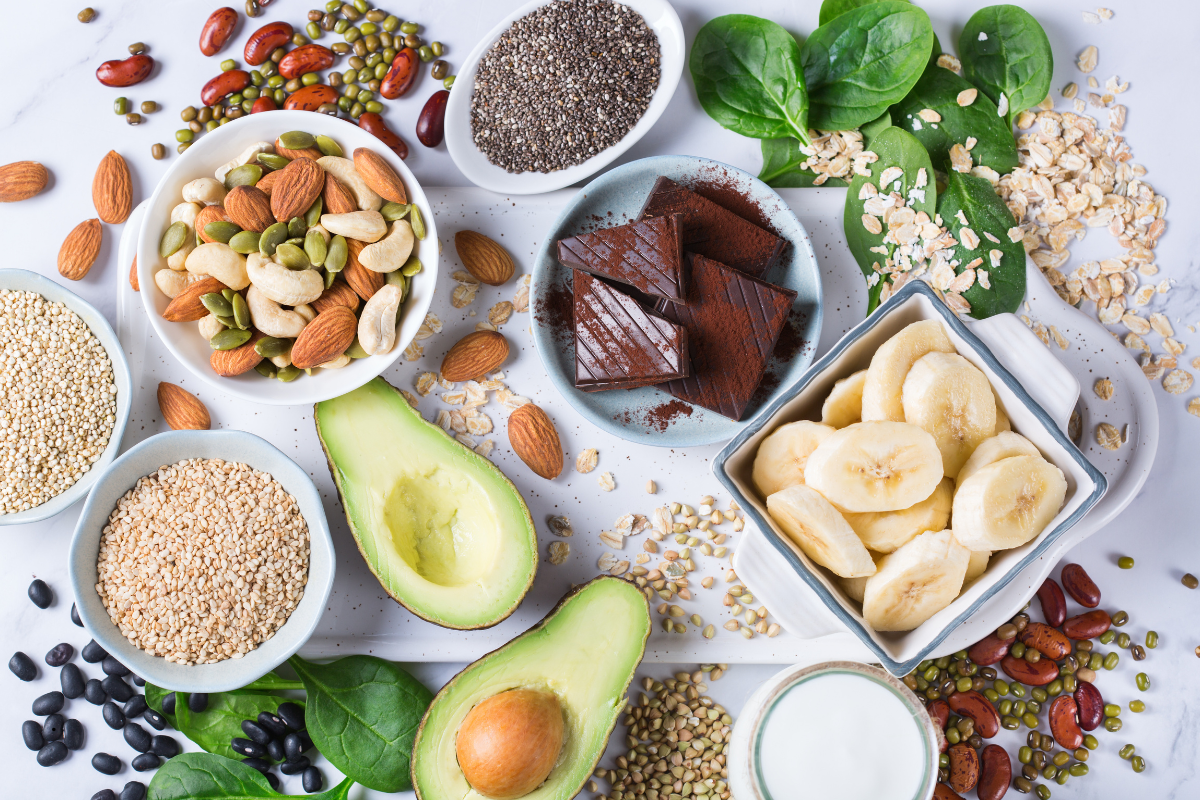
- Prioritize Nitrate-Rich Greens: Spinach, arugula, and beets feed nitrate-reducing bacteria. These microbes help maintain a balanced oral pH while supporting healthy vascular blood flow to your gums.
- Eat High-Calcium, Phosphate-Rich Foods: Aged cheeses, wild salmon, and almonds supply the exact mineral building blocks your saliva uses to repair microscopic surface wear.
- Respect the 30-Minute Rule: After enjoying acidic foods or drinks (like coffee or tomatoes), rinse your mouth immediately with plain water to clear acids. Wait at least 30 minutes before brushing your teeth, giving your saliva time to remineralize enamel before friction is applied.
- Partner with a Proficient Dental Team: Consistent clinical cleanings remove hardened calculus (tartar) that no diet or home toothbrush can strip away, protecting the delicate tissue beneath your gums.
When seeking personalized care grounded in clinical expertise, working alongside a knowledgeable general dentist in Center Line ensures your home habits align perfectly with your unique oral chemistry.
Frequently Asked Questions
1. Can an oral microbiome diet cure existing tooth decay?
No, a diet cannot reverse structural decay once a cavity forms through the enamel into dentin. Nutrition supports preventive remineralization of micro-lesions, but established cavities require clinical restorative treatment to prevent deeper infection.
2. How does my gut health affect my oral microbiome?
Your mouth is the entryway to your digestive tract, constantly swallowing oral bacteria into the gut. Dysbiosis in either location can influence systemic inflammation, immune responses, and digestive efficiency over time.
3. Are fermented foods like kimchi and sauerkraut good for teeth?
While fermented foods contain beneficial probiotics for gut health, their low pH can temporarily soften enamel. Enjoy them with water and avoid immediate, hard toothbrushing right after eating.
4. Does eating cheese after a meal really prevent cavities?
Yes, eating a small piece of cheese neutralizes dietary acids, stimulates protective saliva production, and delivers concentrated calcium and casein proteins directly onto your tooth enamel.
5. Why is alcohol-based mouthwash bad for the oral microbiome?
Alcohol-based mouthwashes strip away both beneficial and harmful bacteria indiscriminately. This non-selective sanitization causes rebound dry mouth and destabilizes the natural biological balance needed for healthy gums.
6. How quickly can changing my diet alter my oral bacteria?
Dietary changes influence your oral biofilm balance within days. Reducing refined sugars immediately starves acid-producing strains, allowing beneficial, alkalizing bacteria to repopulate your oral environment quickly.
7. Should I stop drinking coffee to save my oral microbiome?
You don’t need to quit coffee entirely. Simply avoid sipping sweetened beverages over several hours, drink water alongside your coffee, and refrain from immediately aggressive brushing to protect your enamel.
Schedule Your Personalized Dental Evaluation
While social media offers creative tips, your dental health requires scientifically proven, tailored care. Every smile has a distinct enamel structure, salivary flow rate, and bacterial balance that generalized online advice cannot address.
To preserve your teeth and ensure your oral microbiome is working for you, schedule an in-person clinical assessment at Comfort Family Dental. Contact our office today to book an appointment for a comprehensive diagnostic evaluation customized to your health goals.
**Disclaimer: This content should not be considered medical advice and does not imply a doctor-patient relationship.