

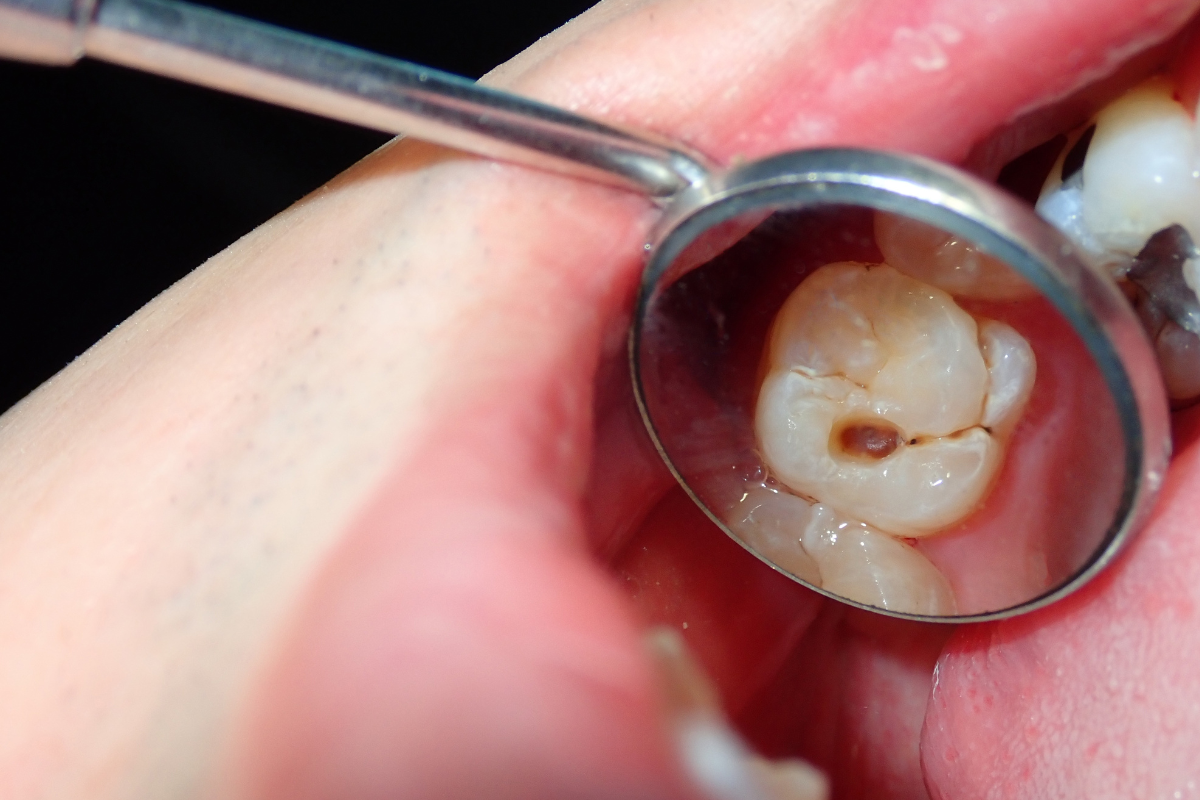
In the hustle of daily life—navigating traffic along Mound Road, dropping kids off at local sports practice, or running errands across Warren and Center Line—a slight twinge in a back tooth is easy to ignore. Many people assume that unless a tooth is throbbing, everything inside their mouth is completely fine. However, tooth decay is a quiet process. By the time severe pain kicks in, enamel breakdown has usually progressed deep into the inner layers of the tooth.
Catching decay in its earliest stages allows for simple, non-invasive treatments that preserve your natural tooth structure. Partnering with a skilled Restorative Dentist in Center Line ensures small soft spots are identified and treated before they evolve into complex, costly problems.
The Silent Evolution of Tooth Decay
Tooth enamel is the hardest substance in the human body, but it is continuously exposed to acidic attacks. Every time you consume carbohydrates or sugars, bacteria in your mouth produce acids that strip essential minerals from your teeth.
- Stage 1: Demineralization (White Spots): The initial sign of decay appears as faint, chalky white spots on the enamel surface. At this stage, the structure is still intact, and the loss of minerals can often be reversed through professional fluoride treatments and improved hygiene.
- Stage 2: Enamel Breakdown: If mineral loss continues, the surface layer collapses, forming a physical cavity. Microscopic bacteria now have direct access into the tooth.
- Stage 3: Dentin Involvement: Once decay breaches the outer enamel, it reaches the softer dentin layer below. Because dentin contains microscopic tubules leading directly to the tooth’s nerve, you may begin noticing sensitivity to hot coffee, ice cream, or sweet treats.
- Stage 4: Pulp Damage: Left unchecked, bacteria reach the central nerve (pulp), causing localized inflammation, persistent pain, and potential abscess formation.
4 Subtle Signs You Should Never Ignore
1. Faint White or Dark Discoloration
Before a hole forms, teeth often develop small discolored spots. White spots indicate active demineralization, while brown or black specks along deep grooves often signal advancing decay.
2. Brief Temperature Sensitivity
Does sipping a cold drink or enjoying warm soup cause a sharp, fleeting sensation? While temporary sensitivity can stem from exposed roots, localized pain in a single tooth often indicates early enamel breakdown.
3. Food Consistently Getting Caught
If dental floss continually shreds or catches in a specific spot between two teeth—or if food repeatedly gets stuck in the same place—decay may have created a jagged edge along the enamel margin.
4. Discomfort When Biting Down
Experiencing localized pressure or mild discomfort when chewing on a specific tooth suggests structural compromise beneath the surface.
Interactive Self-Assessment: Listen to Your Smile
Take a moment to evaluate how your teeth feel today:
Sensitivity Check:
Sharp reaction to cold water or sweet snacks?
Mild ache when chewing crisp foods like apples?
Visual Inspection:
Faint white chalky lines near the gum line?
Dark specks or shadowing inside tooth grooves?If you answered “yes” to any of these points, having an evaluation with an experienced Restorative Dentist in Center Line will help address the issue quickly and comfortably.
How Early Intervention Saves Your Tooth
Treating tooth decay early is always easier, faster, and more comfortable than waiting. When caught during demineralization, remineralizing treatments can heal the enamel without any drilling. If a small cavity has formed, a simple tooth-colored composite resin filling seamlessly restores the natural shape, strength, and function of your tooth in a single short visit.
Dr. Rick Schwarcz and Dr. Ami Schwarcz prioritize conservative, minimally invasive techniques. By utilizing digital diagnostic tools, they pinpoint early structural changes long before they become visible to the naked eye.
Frequently Asked Questions
1. Can a cavity go away on its own once it forms?
Once enamel breaks down and a physical hole forms, it cannot regrow on its own. It requires professional cleaning and a restorative filling to prevent bacteria from digging deeper. However, very early demineralization (white spots) can be reversed with proper care.
2. Why doesn’t my cavity hurt yet?
Outer enamel does not contain nerve endings. You won’t feel pain until the decay penetrates through the enamel layer into the sensitive dentin or nerve tissue below.
3. How often should I have my teeth checked for hidden decay?
Routine examinations every six months allow your dentist to take digital X-rays and perform visual checks, catching hidden decay between teeth long before symptoms develop. Booking a consultation with a qualified Restorative Dentist in Center Line keeps your smile protected proactively year after year.
Protect Your Smile’s Long-Term Health
Don’t wait for tooth pain to interrupt your busy schedule. Gentle, early care preserves your natural teeth and keeps your smile strong for a lifetime. Comfort Family Dental is proud to serve families throughout Center Line, Warren, and the greater Detroit metro area with compassionate, high-quality care.
Notice a sensitive spot? Book your comprehensive exam today at Comfort Family Dental!
**Disclaimer: This content should not be considered medical advice and does not imply a doctor-patient relationship.