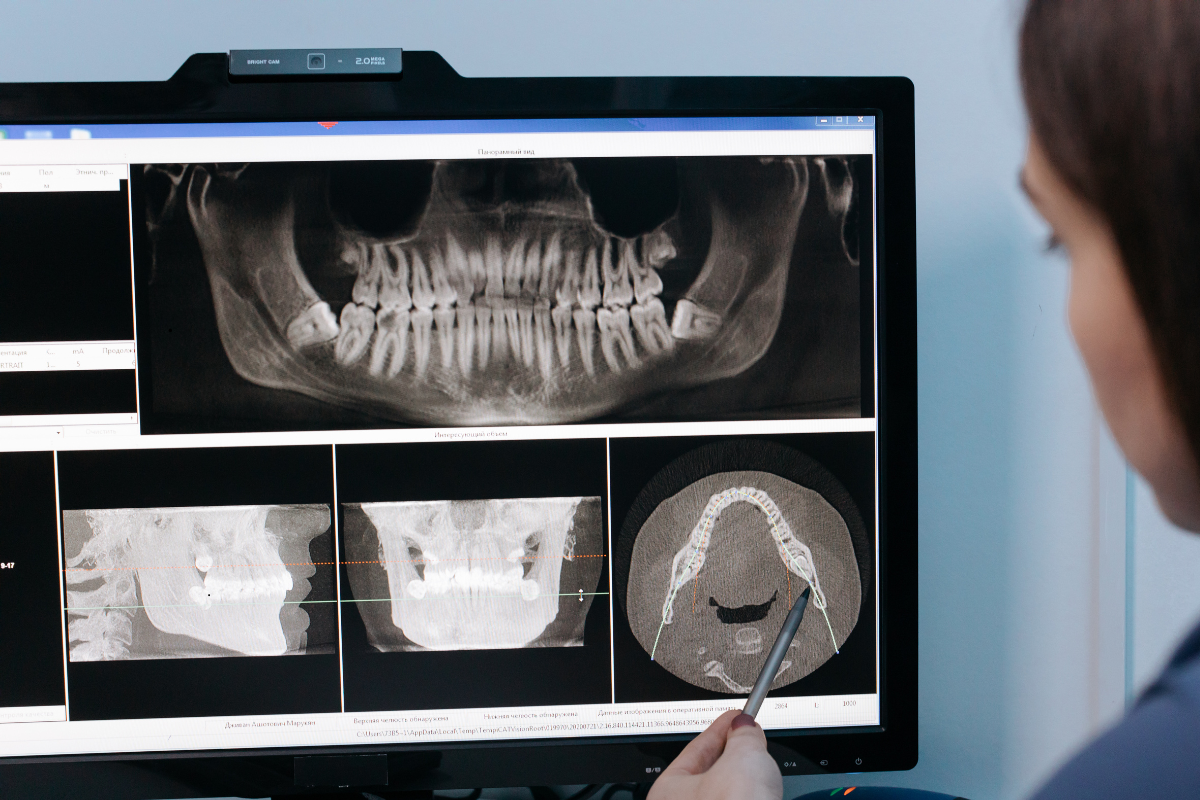
Have you ever been told you had a cavity even though your tooth felt completely normal? Early tooth decay often develops without pain or visible signs, making it difficult to detect during a routine dental exam alone. Advances in AI dentistry are changing that by helping dental professionals identify subtle changes that may otherwise go unnoticed.
At Comfort Family Dental, Dr. Rick combines modern diagnostic technology with careful clinical evaluation to help patients receive timely care before minor concerns become larger problems.
If you are searching for a Center Line dentist, understanding how artificial intelligence supports early diagnosis can help you make informed decisions about your oral health. In this blog, you’ll learn how AI works in dental diagnostics, why early detection matters for adults and children, and how modern technology supports healthier smiles for families throughout Center Line and nearby communities, including Warren, Sterling Heights, and Roseville.
What Is AI in Dentistry and How Does It Help Detect Cavities?
AI in dentistry uses computer software to analyze digital dental images and highlight areas that may indicate early signs of tooth decay. It assists dentists by providing another layer of diagnostic information without replacing professional judgment.
Artificial intelligence has become an important addition to digital dental technology. Instead of relying solely on what the naked eye can see, AI reviews digital X-rays and identifies patterns associated with enamel changes and developing decay.
The technology is trained using thousands of dental images. Over time, it learns to recognize tiny differences in tooth structure that may suggest early damage. During a dental examination, AI highlights these areas for review, allowing the dentist to evaluate whether treatment or continued monitoring is appropriate.
This approach supports early cavity detection while helping create more consistent evaluations from one visit to the next.
AI Supports Clinical Decisions, Not Replaces Them
Artificial intelligence does not diagnose patients independently.
Instead, it works as an advanced clinical support tool by:
- Identifying subtle changes on digital radiographs
- Highlighting possible areas of concern
- Improving consistency during image interpretation
- Supporting discussions between the patient and the dental team
- Providing visual evidence that patients can easily understand
The final diagnosis and treatment recommendation always remain the responsibility of the dental professional.
Why Is Early Cavity Detection So Important?
Detecting decay early allows dentists to treat smaller problems before they become larger restorations or infections.
Many people assume tooth decay becomes obvious as soon as it starts. In reality, early enamel damage can develop for months without discomfort.
By identifying these changes sooner, patients often have more conservative treatment options available.
Early diagnosis may help:
- Preserve more natural tooth structure
- Reduce the need for extensive restorative procedures
- Improve long-term oral health
- Make treatment more comfortable
- Support better preventive dentistry for both children and adults
One common example involves children whose newly erupted permanent teeth may develop enamel changes before they experience any symptoms. Likewise, adults with existing fillings can develop hidden areas of decay beneath restorations that are difficult to detect without advanced imaging.
How Does AI Analyze Dental X-Rays?
Digital imaging has significantly improved the way dental professionals evaluate oral health. AI builds upon those advances by reviewing digital images within seconds.
Looking Beyond What the Eye Can Easily See
AI software evaluates advanced dental imaging by comparing the patient’s radiographs with extensive image databases.
It can identify subtle findings associated with:
- Hidden cavities
- Interproximal cavities between teeth
- Enamel demineralization
- Tooth enamel damage
- Areas that deserve closer clinical evaluation
Because many of these changes occur beneath the tooth surface, patients often cannot detect them on their own.
The combination of digital imaging and AI allows dental professionals to perform more comprehensive dental diagnostics, especially during routine preventive visits.
Can AI Find Cavities Earlier Than Traditional Methods?
AI can help identify subtle signs of early decay that may be difficult to recognize during a visual examination alone, especially when combined with high-quality digital radiographs.
Traditional examinations remain essential because they include visual inspection, clinical testing, and patient history.
However, artificial intelligence offers several advantages:
- Reviews images consistently
- Highlights very small areas for further evaluation
- Supports earlier monitoring of suspicious changes
- Improves communication with patients using visual markers
Patients often appreciate seeing exactly what the software highlights. Instead of simply hearing that treatment is recommended, they can better understand the findings displayed on their own X-rays.
At Comfort Family Dental, Dr. Rick combines technology with careful clinical assessment to ensure that every finding is interpreted in the context of the patient’s complete oral health, rather than relying solely on software.
Who Benefits Most From AI-Powered Dental Diagnostics?
Although nearly every patient can benefit from modern diagnostic technology, certain groups often gain particular advantages.
These include:
- Children whose teeth are still developing
- Teenagers with orthodontic appliances
- Adults with previous fillings or crowns
- Patients prone to tooth decay
- Individuals returning after several years without a dental visit
- Patients interested in proactive modern dental care
AI-assisted evaluations also support ongoing oral health screening by making it easier to compare images taken over multiple visits.
This allows dental teams to monitor whether suspicious areas remain stable or require treatment over time.
Can AI Help Prevent More Extensive Dental Treatment?
One of the greatest advantages of AI-powered dental diagnostics is that they support prevention instead of simply identifying existing problems. The earlier tooth changes are recognized, the greater the opportunity to preserve healthy enamel before more extensive treatment becomes necessary.
For example, a small area of enamel weakening may be managed with fluoride therapy, improved oral hygiene, dietary recommendations, and closer monitoring rather than immediate restorative treatment. If that same area progresses unnoticed, it may eventually require a filling or a more involved procedure.
Patients often ask whether treatment can wait when they are not experiencing discomfort. In many situations, the answer depends on what diagnostic imaging reveals. Early changes may be monitored safely, while active decay should be treated promptly to protect the tooth from further damage.
Modern diagnostic technology helps dentists make these decisions with greater confidence by combining clinical findings, digital images, and patient history.
What Can Patients Expect During an AI-Assisted Dental Exam?
An AI-assisted exam feels much like a traditional visit. The difference is that advanced software analyzes your digital X-rays and provides additional information for your dental team to review.
Patients are often surprised that no additional procedures are required.
A typical appointment includes:
- A comprehensive dental exam
- Digital dental scans or X-rays when appropriate
- AI-assisted image analysis
- A clinical examination by the dentist
- A discussion of the findings using the images you can see
Many patients appreciate viewing their X-rays while the highlighted areas are explained. This visual approach makes treatment recommendations easier to understand and helps patients participate in decisions about their oral health.
If no active concerns are found, your provider may simply recommend continued monitoring during future preventive dental visits. If early changes are detected, treatment can often begin before more significant damage develops.
For families seeking dental care in Center Line, this technology offers added confidence during routine checkups and supports preventive care for patients of all ages.
Why Combining Technology With Clinical Expertise Matters
Artificial intelligence has become an impressive advancement, but it cannot replace the experience, judgment, and clinical evaluation provided by a dental professional.
Every patient presents unique factors that software alone cannot evaluate, including:
- Medical history
- Previous dental treatment
- Bite alignment
- Symptoms
- Gum health
- Lifestyle habits that affect oral health
AI helps organize information, but clinical decisions require a complete understanding of the patient’s overall condition.
At Comfort Family Dental, our dentist carefully reviews every digital image alongside a comprehensive examination before recommending treatment. This balanced approach combines modern technology with thoughtful patient care, allowing patients to better understand their oral health while receiving recommendations based on their individual needs.
Routine checkups, digital imaging, preventive services, and restorative care all work together to help patients maintain healthy smiles throughout every stage of life.
Protect Your Smile With Earlier Detection
Dental technology continues to improve the way oral health conditions are identified and monitored. AI-assisted diagnostics offer another valuable tool that helps dental professionals recognize subtle changes sooner, support preventive care, and provide patients with clearer information about their oral health.
Many people never notice the earliest signs of decay because these changes often occur long before symptoms develop. Regular examinations remain the most reliable way to identify concerns before they become larger problems.
Frequently Asked Questions
1. Can Artificial Intelligence Detect Tooth Decay Before I Notice Symptoms?
Yes, AI analyzes digital dental images to identify subtle changes that may indicate the earliest stages of decay before pain or visible damage develops. Regular dental visits combined with modern technology give your provider the opportunity to recommend timely treatment and help protect your natural teeth.
2. Is AI More Accurate Than A Traditional Dental Examination?
Artificial intelligence is designed to support, not replace, a clinical examination. It helps identify areas that deserve closer evaluation on digital X-rays, while your dentist considers those findings alongside your oral health, symptoms, and clinical examination before making treatment recommendations.
3. Does AI Expose Patients To Additional Radiation?
No. AI works by analyzing the same digital X-rays your dental office already uses during appropriate examinations. It does not require additional imaging solely for the software to function, making it a helpful enhancement without increasing radiation exposure.
4. Can Children Benefit From AI-Assisted Dental Diagnostics?
Yes. Children often develop early enamel changes before discomfort begins. AI helps identify subtle findings that support early intervention, allowing families to address concerns before they become larger issues. Routine preventive visits remain one of the most effective ways to protect developing smiles.
5. Should I Schedule A Dental Visit If I Think I Have A Cavity But Don’t Feel Pain?
Yes. Tooth decay frequently develops without noticeable symptoms during its earliest stages. A comprehensive examination, digital imaging, and AI-assisted analysis can determine whether treatment is needed or if the area can simply be monitored. Early evaluation often provides more conservative treatment options and helps preserve long-term oral health.
If you are looking for a Center Line dentist who combines modern diagnostic technology with compassionate patient care, Comfort Family Dental welcomes patients from Center Line, Warren, Roseville, Sterling Heights, and surrounding communities. Dr. Rick and the team are committed to helping families understand their oral health through advanced technology and comprehensive evaluations. Schedule your appointment today to discover how early detection can support a healthier smile for years to come.
**Disclaimer: This content should not be considered medical advice and does not imply a doctor-patient relationship.