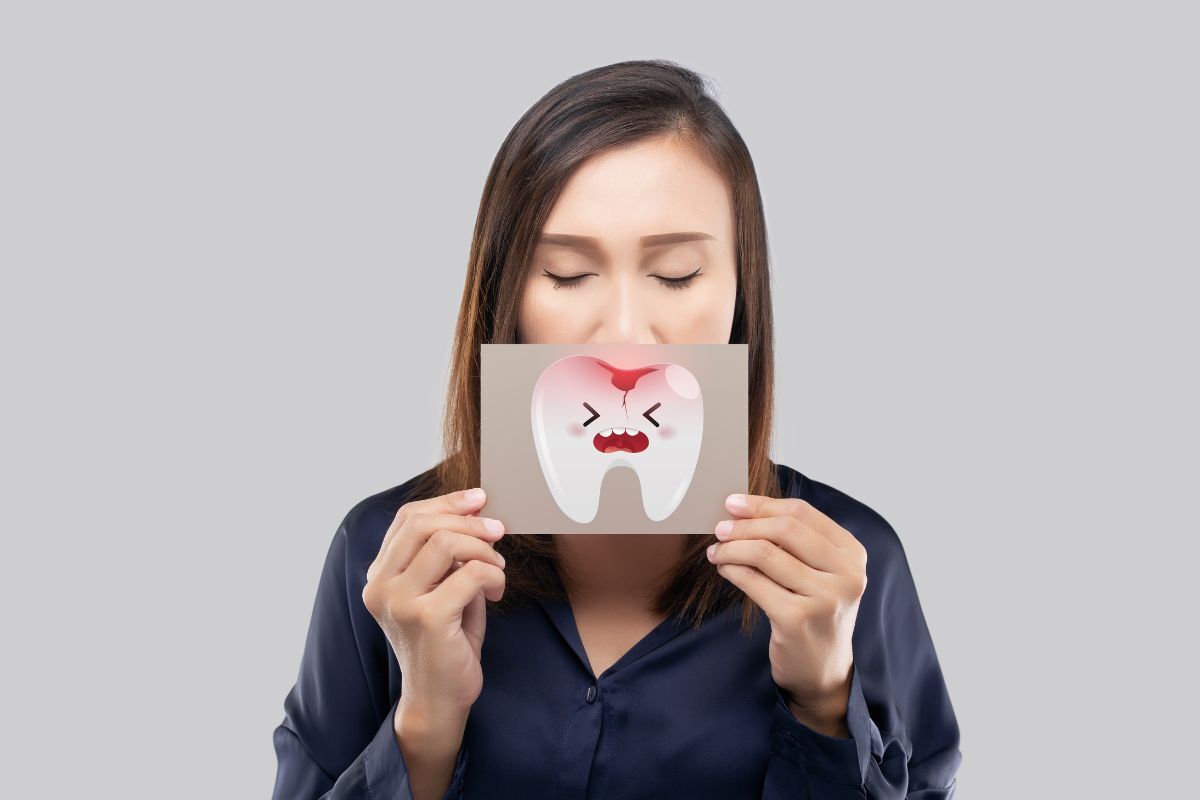
Common dental emergencies can happen when you least expect them. Whether it’s a sudden toothache or a broken tooth from an accident, knowing what to do can make a huge difference. Quick action and the help of an emergency dentist can prevent pain and long-term damage.
In this blog, we’ll cover five of the most common dental emergencies and how you should respond to each. Being prepared helps you stay calm and protect your oral health.
1. Severe Toothache
A toothache is one of the most common dental emergencies. It may start as a small discomfort but can quickly become unbearable.
What to Do:
- Rinse your mouth with warm water.
- Gently floss around the tooth to remove any trapped food.
- Take over-the-counter pain relievers like ibuprofen (avoid placing aspirin directly on the gum).
- Apply a cold compress on the outside of your cheek to reduce swelling.
- Call an emergency dentist immediately.
Toothaches often signal decay or infection, so don’t ignore them.
2. Knocked-Out Tooth
A knocked-out tooth is serious, but if you act quickly, your dentist may be able to save it.
What to Do:
- Pick up the tooth by the crown (the white part), not the root.
- Gently rinse it with clean water—do not scrub or use soap.
- Try placing the tooth back in its socket. If that’s not possible, store it in milk or inside your cheek.
- Visit an emergency dentist in Center Line within 30 to 60 minutes for the best chance of saving the tooth.
Time is critical, so stay calm and act fast.
3. Broken or Chipped Tooth
This emergency can be caused by biting something hard or from an injury. Even small chips can expose nerves and cause pain.
What to Do:
- Rinse your mouth with warm water.
- Save any pieces of the broken tooth if possible.
- Use dental wax or sugarless gum to cover any sharp edges.
- Apply a cold compress to prevent swelling.
- Call an emergency dentist for treatment.
A chipped tooth might seem minor, but it still needs professional care to avoid future issues.
4. Lost Filling or Crown
Fillings and crowns protect damaged teeth. If one falls out, the exposed tooth can become sensitive or painful.
What to Do:
- Keep your crown or filling safe by bringing it with you to your appointment.
- You can temporarily cover the area with dental cement or sugar-free gum.
- Avoid chewing on that side of your mouth.
- Schedule a visit with an emergency dentist as soon as possible.
Do not try to glue the crown back on yourself, as improper placement can cause further damage.
5. Abscess or Infection
An abscess is a pocket of pus caused by a bacterial infection. It can be dangerous if left untreated.
Signs of an Abscess:
- Swollen gums
- Severe tooth pain
- Fever
- Bad taste in the mouth
- Swollen lymph nodes
What to Do:
- Rinse with a mild saltwater solution to ease discomfort.
- Do not try to pop or drain the abscess yourself.
- Contact an emergency dentist immediately.
The infection can spread quickly to other parts of the body, so don’t delay treatment.
Conclusion
Common dental emergencies like severe toothaches, broken teeth, and infections can be alarming, but knowing what to do can save your smile. Always act fast and call an emergency dentist to get the care you need.
If you’re looking for fast, gentle care from a Center Line-based dental office, trust Comfort Family Dental. Our team is ready to help you handle any dental emergency with comfort and compassion. Don’t wait to get relief from pain—contact us today and get back to smiling confidently!